





Parliamentary procedure
Contents |
[edit] Parliamentary procedure
Parliamentary procedure regulates the proceedings of the House of Commons and is the way parliament conducts its daily business, according to historical precedent, common sense, courtesy and a fixed set of rules.
The basic principles of parliamentary procedure include:
- The House is only concerned with the subject that is before it at any one time;
- Full and free debate should be accorded to each proposition presented;
- The rights of every MP are equal to those of every other MP, and
- The will of the majority is always implemented.
Activities that are covered by parliamentary procedure include voting, motions, introducing bills (including first and second readings), establishing select committees in a new parliament and voting by proxy in the House.
[edit] Special parliamentary procedure
A special parliamentary procedure is a deviation from the standard procedures of parliament and may be tacked on to the end of a bill. Special parliamentary procedures apply to bills which apply only to particular people or places; the government has little or no involvement in this type of legislation.
Special parliamentary procedure (SPP) is also an integral part of the Planning Act and comes into force when:
- Someone who is not a local authority or statutory undertaker has had land appropriated (eg by compulsory purchase), has objected and has petitioned the house;
- Open-space land has been taken and has not been replaced, and
- The National Trust has objected because National Trust land has been taken.
For example, under Section 19 of the acquisition of land Act 1981, ‘an appropriation or compulsory purchase of certain types of land, including common land or town or village green, must be subject to special parliamentary procedure, unless a certificate is obtained from the Secretary of State confirming that suitable exchange land is to be given for the land taken, or that the giving of exchange land is unnecessary’.
[edit] Special procedure order
A special procedure order is a form of secondary legislation to which special parliamentary procedure applies.
Part of this procedure gives those people or bodies who are especially affected by the order, to petition against it to either house. If successful, such petitions are heard by a joint committee, consisting of members from both houses.
[edit] Related articles on Designing Buildings Wiki
Featured articles
Check out some of the best features and news from Designing Buildings as well as key stories from around the web.
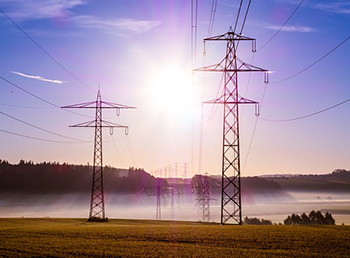
Households living near new pylons to save on bills.

ECA warns growth must not outpace grid capacity or skills.
The role of the client and decision making

CIOB response to built environment professions call for evidence.
Construction's sustainability reporting revolution
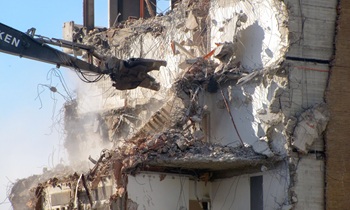
Tracking upfront embodied carbon with digital tools.
ECA welcomes procurement reforms

Public spending must back British jobs and skills.
Campaigning for Edinburgh: the Cockburn Association 1875-2049

The role of the civic voice in protecting character. Book review.
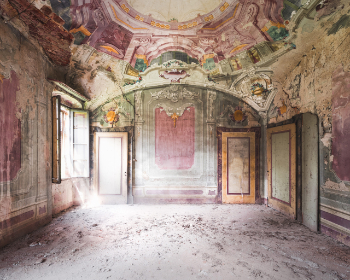
CIOB photography competition is open for entries.
ECA Edmundson apprentice of the year award

Finalists announced.
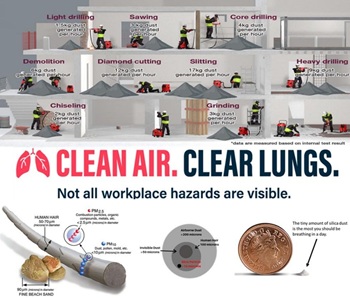
Major new study exposes serious knowledge gaps.
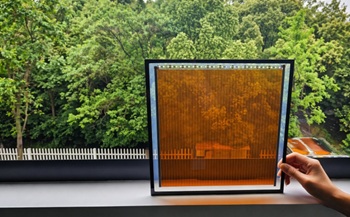
Generating energy from internal light as well as sunshine.

ECA welcomes plans to strengthen subcontractor quality control.

Combining mid-career qualifications with experience broadens career opportunities.